How does hickory care for us?
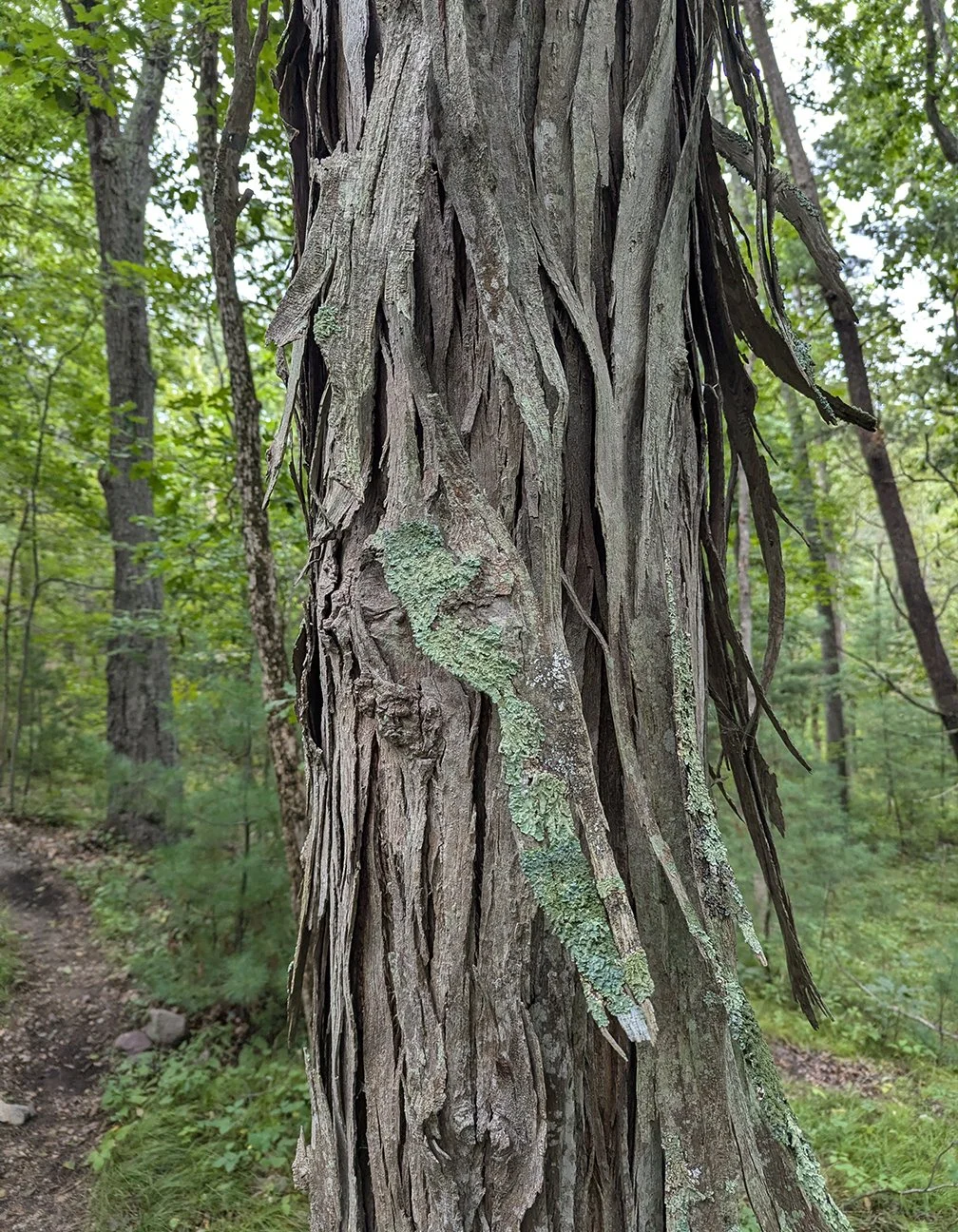
Shagbark Hickory takes their time. Very slow to grow, they patiently wait to birth nuts until they are thirty to forty years old. Hickory has long helped us to see into what is going on around them in their ecosystem. It is said about Hickory nut shells that the thicker the shell, the harder the winter to come. Hickory buds can alert us to the day of the last frost. Because they are so slow to bud, they generally appear after the last spring frost, helping farmers to know when to set seeds for reliable harvests.
Trees live on time scales extended far beyond our own human lifespans. The earliest hickory ancestors appears over 100 million years ago, and the first humans appeared 2.4 millions years ago, so human’s have only been around for 2.4 percent of the time of Hickories.
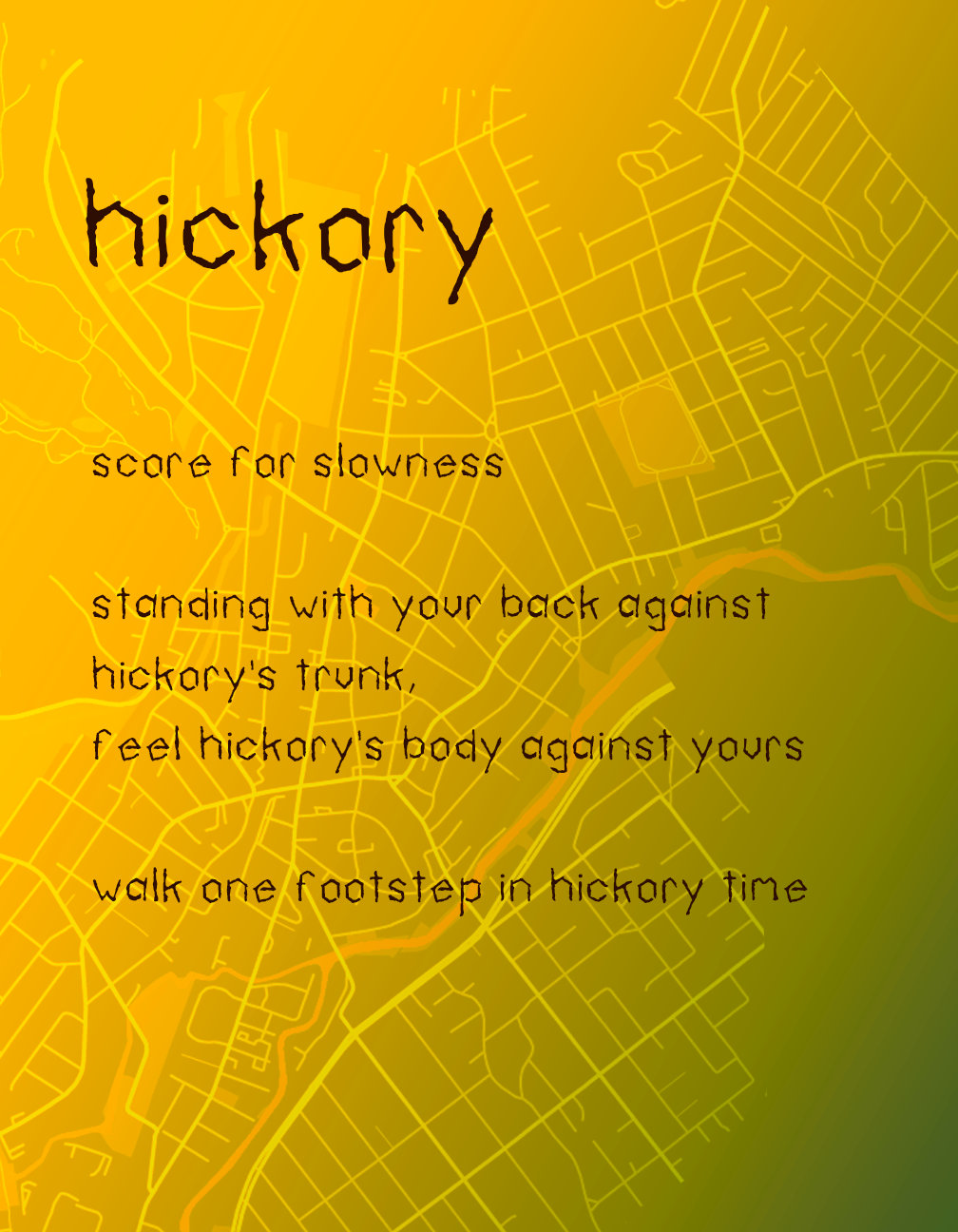
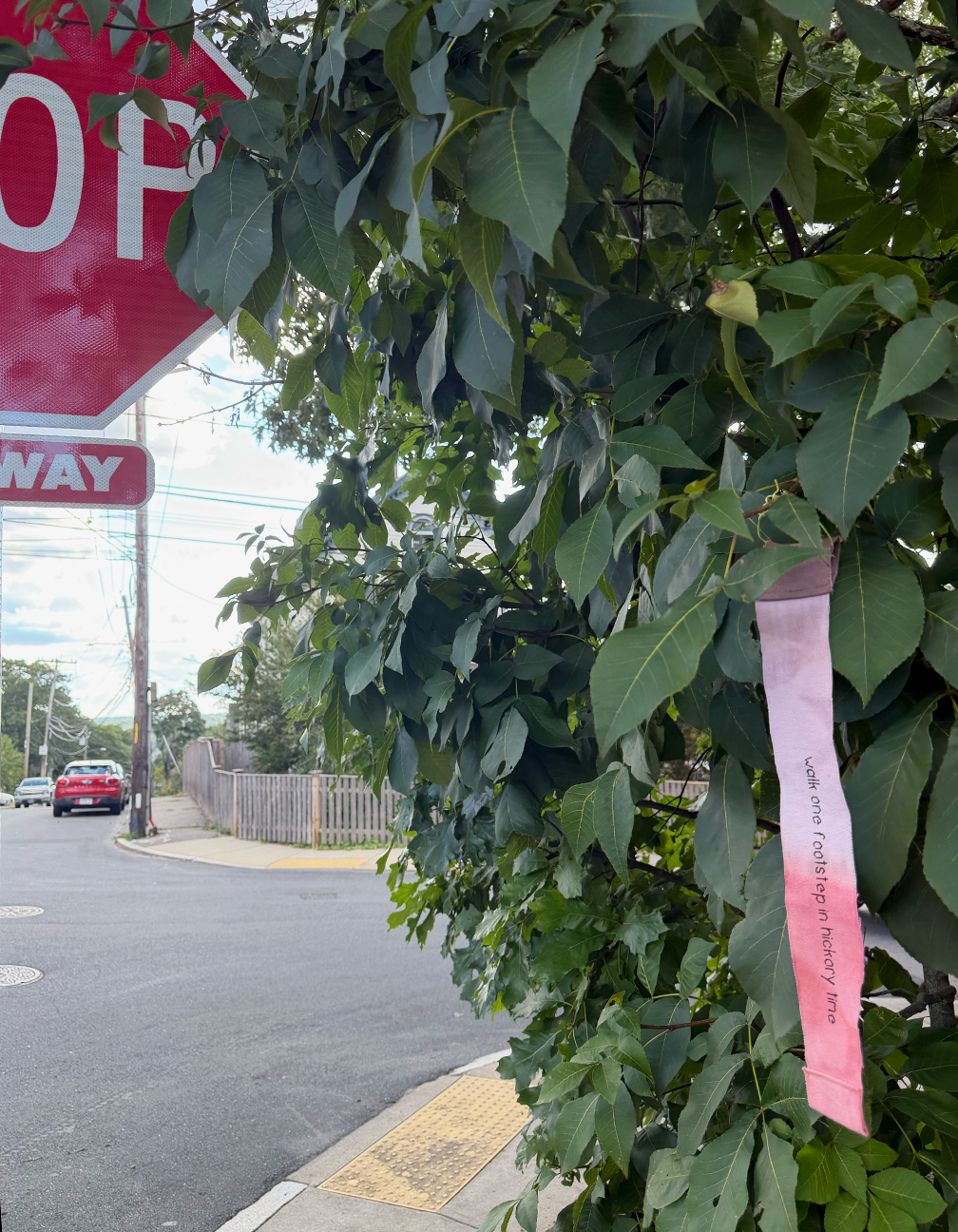
Hickory lives time slowly. The electrical impulses Hickory needs to communicate between parts of themselves and other beings in the ecosystem move at the rate of a third of an inch per minute, a bit more than one and a half feet in an hour, the equivalent of one human footstep.
How to care for hickory?
Water: Give hickory 1 inch of water every week for the first 2 years. Once they are older they can survive droughts.
Mulch: Apply a 2-3 inch mulch ring (away from the trunk) to retain moisture and protect roots from mowers
Prune: Cut off dead, broken, or crossing branches in late winter before new spring buds appear.
Light: Hickory likes lots of direct full sun.
Soil: Hickory trees grow a long "taproot" (a main root that grows straight down). This root makes moving the tree later very hard. Give the tree room to grow up to 80 feet tall. The only kind of soil they don’t like is soggy soil.